
Acworth and Kennesaw have no shortage of places to work out. Big-box gyms line Cobb Parkway and the Barrett Parkway corridor, and for twenty-odd dollars a month you can have access to acres of equipment and a parking lot. So why do so many adults, especially past 40, cycle through those memberships without much to show for them, then land in a small coaching studio and finally get somewhere?
It is not willpower. It is the model. Access and coaching are different products, and which one you are buying determines what tends to happen next.
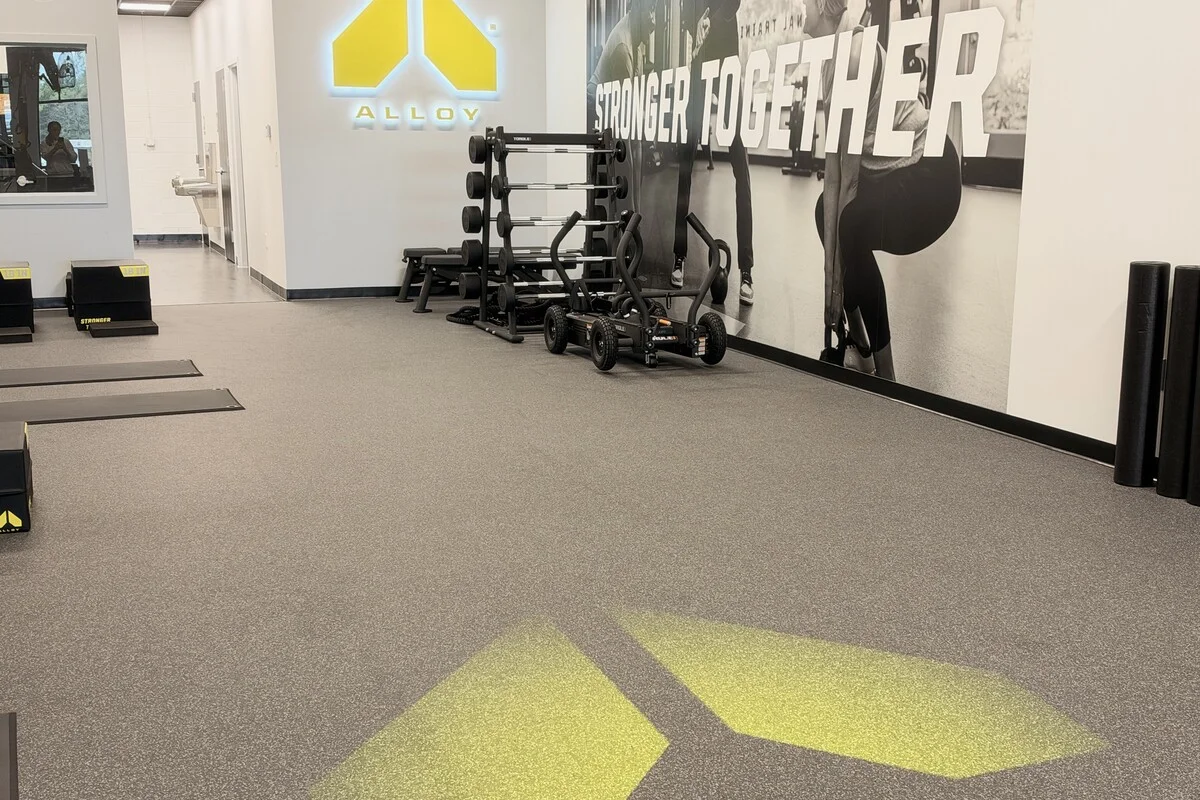
What are you actually buying at a big-box gym?
Access. That is the honest answer, and there is nothing wrong with it if access is what you need. A big-box membership hands you equipment, space, and hours. What happens inside them is entirely up to you: the plan, the form, the progression, the showing up.
For a self-sufficient lifter with years of experience, that is a fine deal. For most other adults it quietly becomes a test you take alone. The industry’s open secret is that a large share of memberships go mostly unused after the first few months; the business model works even when the workouts do not happen. Nobody calls when you stop coming. Nobody notices when your squat form slides. Nobody adjusts anything, because nobody was watching anything.
What makes small group personal training different?
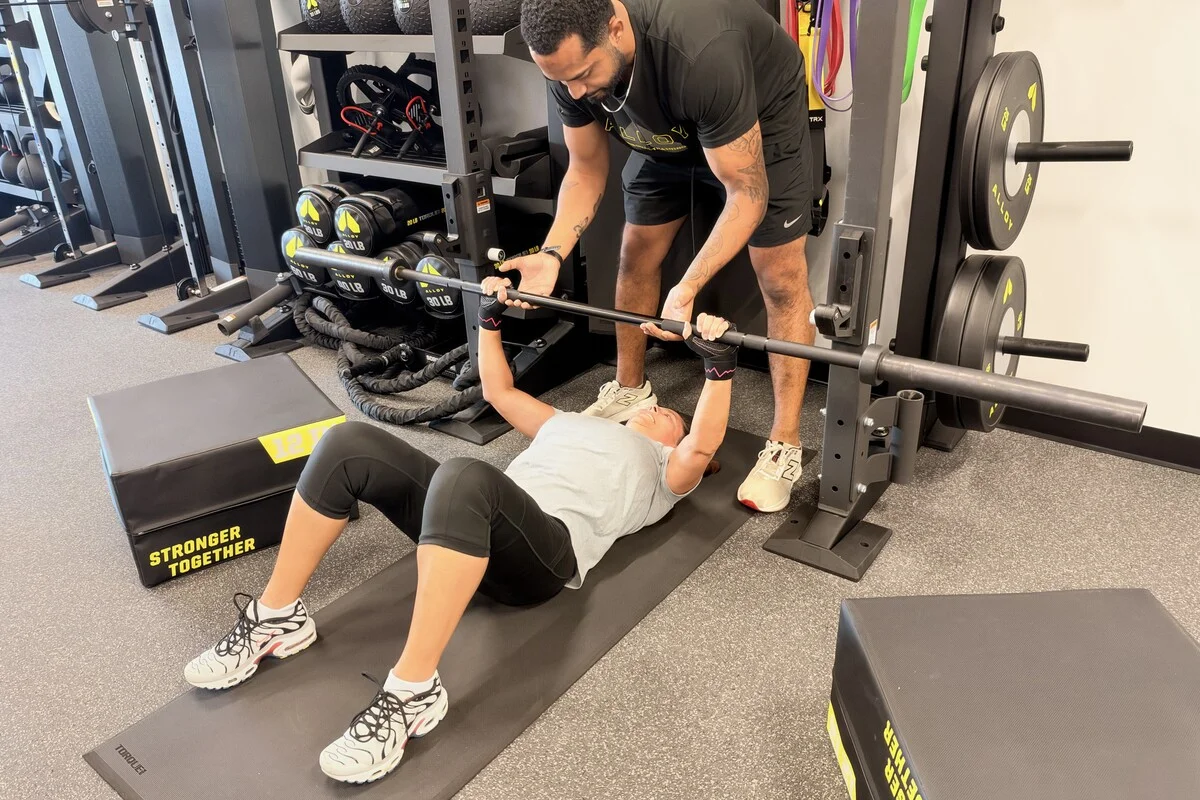
It flips what you are paying for. Instead of access to equipment, you are buying coaching, delivered in a group small enough that the coaching is real. At our Acworth studio, that means:
- Sessions capped at six members. Small enough that the coach sees every rep from every person, every session.
- A professional coach leading the entire session. Not a floor attendant, not an app. A coach who knows your name, your history, and your goals.
- Individualized programming inside the group. Everyone trains together; nobody does the identical workout. Every exercise can be progressed or modified for your abilities, limitations, and goals.
- Structured progression. You show up, the plan is already thought through, and it builds on what you did last time.
- Accountability that is personal. When six people and a coach expect you Tuesday at 6, Tuesday at 6 tends to happen.
Members here do not simply join a gym. They join a coaching relationship. The energy of training beside a handful of people chasing the same thing is the bonus.
What do your first two weeks look like in each model?
Abstract comparisons hide the difference; a calendar exposes it.
Big-box, week one: you sign up, get a tour, and maybe a single orientation session. Week two, you are on your own at 6 p.m. on a Tuesday, deciding between forty machines while everyone around you seems to have a plan. Most people default to the treadmill and the three machines that feel self-explanatory. By week six, the visits get shorter. By month three, the membership is a line item you look away from.
Small group, week one: before you touch a weight, you sit down with a coach for a Free First Session covering your health history and goals, an InBody body composition scan, a functional movement assessment, and an introductory workout. Week two, you are booked into specific sessions with your name on them. You walk in, the plan is made with your adjustments already set, and a coach watches your form and changes what needs changing. Someone says “see you Thursday” on your way out, and means it.
Neither week requires more discipline than the other. That is the point: one model spends your motivation on logistics and guesswork, the other spends it on training.
What does the cost logic look like?
A big-box membership is cheap the way an unused treadmill is cheap. The real math is cost per result, not cost per month, and results follow coaching, consistency, and progression, which is exactly what the access model leaves out. One-on-one personal training delivers all three, but at a per-session price that pushes most people down to one session a week, the frequency where results are slowest. Small group training shares the coach across six members, which brings coached training to a price where two or three sessions a week is realistic. We walked through the actual local numbers in our guide to personal trainer costs in Acworth.
Which one should you choose?
If you have an established program you trust, the experience to self-correct your form, and a track record of showing up without structure, take the cheap membership. It is a genuinely great deal for that person.
If that has never quite been you, that is not a character flaw. It is the most common situation there is, and it is what coached environments exist for. Our studio on Cobb Parkway runs small group personal training built for adults over 40, and the first session costs you nothing. Book Your Free First Session and feel the difference between access and coaching in person.